


10 Unapologetic Truths About Sexuality for a Fulfilling Intimacy
Discover 10 unapologetic truths about sexuality that no one tells you. Demystify taboos, understand consent, and experience fulfilling intimacy with expert advice.

Sexuality isn’t just what you see in movies or hear in jokes. It’s an essential part of our lives, often more complex, nuanced, and, frankly, more interesting than common misconceptions suggest. This article is for everyone, regardless of your gender, orientation, or experience. We’re going to deconstruct some myths and give you keys to a fulfilling sexuality, based on information and respect.
Intimate pleasure is not a straight line
Orgasm is not the only goal of intimacy. In reality, the experience of pleasure is much richer than the idea of a “performance” culminating in orgasm. Pleasure is found in exploration, caresses, kisses, massages, and all forms of affection that don’t necessarily lead to a specific end. It’s a dance, not a race.
Female pleasure is rarely as “automatic” as male pleasure. Studies from the Kinsey Institute show the diversity of paths to female orgasm, often more complex and multifactorial. Consider clitoral stimulators, or simply manual exploration, as ways to better understand what you enjoy. If you want to know more about stimulation, our guide to clitoral stimulation will give you concrete ideas.
Sexual consent is an enthusiastic and continuous “yes”
Consent is the foundation of any healthy intimate interaction. Simply put, a “yes” must be explicit, free, informed, and can be withdrawn at any time. The absence of a “no” never means a “yes.” It’s a mutual and dynamic agreement that must be reaffirmed at every stage.
According to the WHO, consent is a central element of sexual health, emphasizing respect and communication. If someone is under the influence of alcohol or drugs, they cannot give valid consent. It’s as simple as that. Communication is your best ally to ensure everyone is on the same page.
Talking about sexuality is sexy (and essential)
Communication is the secret ingredient for fulfilling sexuality. Frankly, bringing up the topic of sexuality with your partner can seem intimidating, but it’s an investment that pays off handsomely in terms of intimacy and satisfaction. Choose a quiet, pressure-free moment, and approach the subject with active listening and without judgment.
Talking about your desires, boundaries, and fantasies normalizes intimacy and strengthens your bond. It allows you to better understand yourself and each other, and to explore new facets of your sexuality together. To start the conversation, our article on how to talk about your fantasies without awkwardness can give you some tips. Tools like the book “Dare to… Spice Up Your Couple’s Sexuality” can also help break the ice.

Livre "Osez... pimenter la sexualité de votre couple"
Osez pimenter la sexualité de votre couple ! Ça y est, vous avez la bague au doigt.
Voir sur KissKissYour body changes, and so does your sexuality
Our bodies evolve, and our sexuality evolves with them. Let’s be honest: age, hormones, motherhood, menopause, and even certain medical treatments can impact libido and sexual function. This is completely normal and doesn’t mean the end of your intimate life.
On the contrary, it’s often a period of rediscovery. Sexuality at an older age, for example, can be a time of unexpected fulfillment, freed from the constraints of reproduction and the pressures of youth. The important thing is to adapt, explore new ways of experiencing intimacy, and not hesitate to consult a professional if needed. To learn more, read our article on sexuality after 50.
Masturbation is an ally for your intimate well-being
Masturbation is a perfectly healthy and normal practice, often shrouded in shame or taboo. Regardless of your age or relationship status, it offers numerous physical and psychological benefits.
It can reduce stress, improve sleep, help you better understand your body and desires, and even relieve menstrual pain. It’s a form of self-care, an intimate exploration that contributes to your overall well-being. To learn more, consult our article on the benefits of masturbation.
Sex toys, far from being an admission of failure in sexuality
Sex toys are tools for exploration, complements to pleasure, whether solo or with a partner. Frankly, the idea that they are a “last resort” or a sign that something is wrong in the relationship is completely outdated.
They can help discover new sensations, overcome certain difficulties (such as intimate dryness or erectile dysfunction), or simply add a touch of fantasy to your intimacy. Far from replacing a partner, they can stimulate curiosity and communication between two people. Technological innovations in female sex toys, for example, offer increasingly personalized and enjoyable experiences.

Shunga Crème stimulante "Jardin secret" (pour elle)
Amplifie les sensations et facilite la montée du plaisir - pour des orgasmes intenses et fréquents !
Voir sur KissKissSexual health: much more than the absence of disease
Sexual health is much broader than the absence of disease, even though these aspects are important. When we talk about sexual health, we often think of STIs or contraception. This is important, of course (think of Durex Pleasure Me condoms), but the WHO’s definition is much broader. Sexual health is a state of physical, emotional, mental, and social well-being in relation to sexuality (WHO).
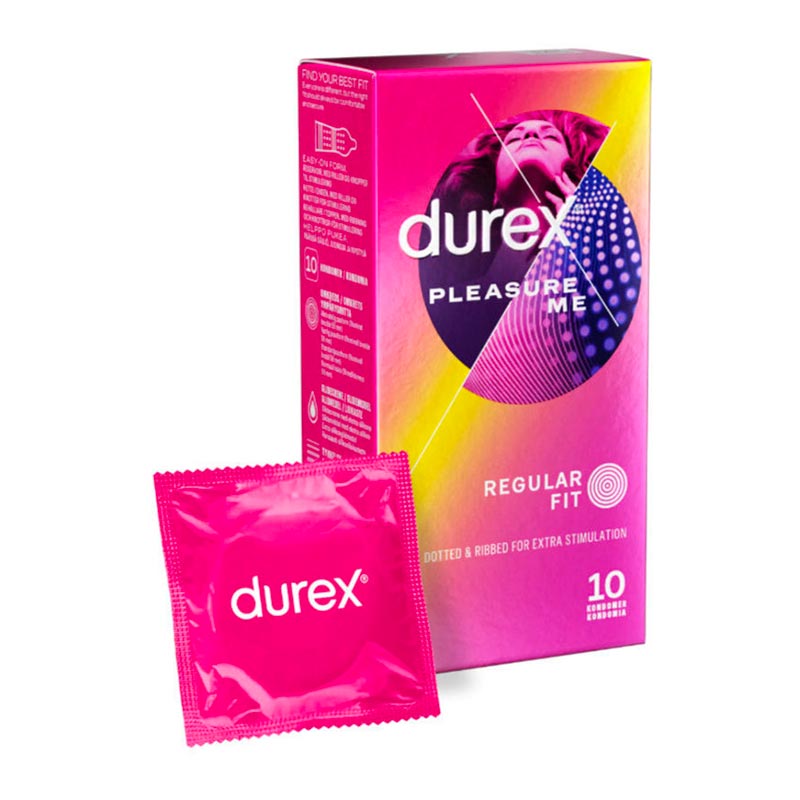
Durex Pleasure Me - Pleasuremax (10 Préservatifs)
Les préservatifs Durex Pleasure Me (également appelés "Pleasuremax") sont spécialement conçus pour procurer un maximum de plaisir aux deux partenaires.
Voir sur KissKissThis includes the right to have pleasurable and safe sexual relationships, free from coercion, discrimination, or violence. Regular screening, appropriate contraception, and STI prevention are pillars, but emotional and psychological well-being are equally crucial. Never hesitate to consult SexualHealth.ch resources for reliable and local information.
To further understand sexuality
To continue your exploration and deconstruct other misconceptions about sexuality, we invite you to consult our article on the benefits of sexuality for physical and mental health.
FAQ
What are the 10 myths about sexuality?
Common myths include the idea of mandatory orgasm, the necessity of penetration, sexuality diminishing with age, or that masturbation is only for singles. This article helps you deconstruct these misconceptions for a healthier and more realistic approach to your intimacy.
How can I achieve fulfilling sexuality?
Fulfilling sexuality is based on communication, self-knowledge, mutual exploration, consent, and respect. It doesn't necessarily mean frequency or performance, but rather personal and shared satisfaction and well-being. It's important to remember that each person is unique in their desires and needs.
What is sexual consent?
Sexual consent is a free, enthusiastic, informed, and revocable agreement at any time for a specific sexual activity. It cannot be given under duress, the influence of alcohol or drugs, or through silence. It is a fundamental principle for any respectful and healthy intimate interaction.
How can I talk about sexuality without taboos?
Choose a calm and appropriate moment, be honest about your feelings, use 'I' statements rather than accusatory 'you' statements, and actively listen to your partner without judgment. The goal is to create a space of trust and non-judgment where everyone feels free to express their desires and boundaries. Open communication can greatly improve your intimate life.
How can I improve pleasure in a relationship?
Exploring new practices, using sex toys, massages, experimenting with extended foreplay, and open communication about desires and boundaries are ways to enhance shared pleasure. The key is often to break out of routine and dare to share what truly excites you, individually and together.
Sources
Last updated : 11 août 2026


Debunking Myths About Penis Owners' Sexuality
Erections, size, orgasms: debunk common myths about penis owners' sexuality. Understand the diversity of male pleasure for healthier, more fulfilling intimacy.
Lire l'article →
Noises During Sex: Communication That Multiplies Pleasure
Noises during sex are more than a sign of pleasure: they are powerful communication. Discover why moaning or shouting can transform your intimacy.
Lire l'article →
Anal Orgasm: A Complete Guide to This Underexplored Pleasure
Is anal orgasm a myth or a reality? Discover everything about this underexplored pleasure: how to achieve it, precautions, and expert tips for gentle exploration.
Lire l'article →