


Technological innovations in female sex toys
Female sex toys: How technology is transforming our pleasure
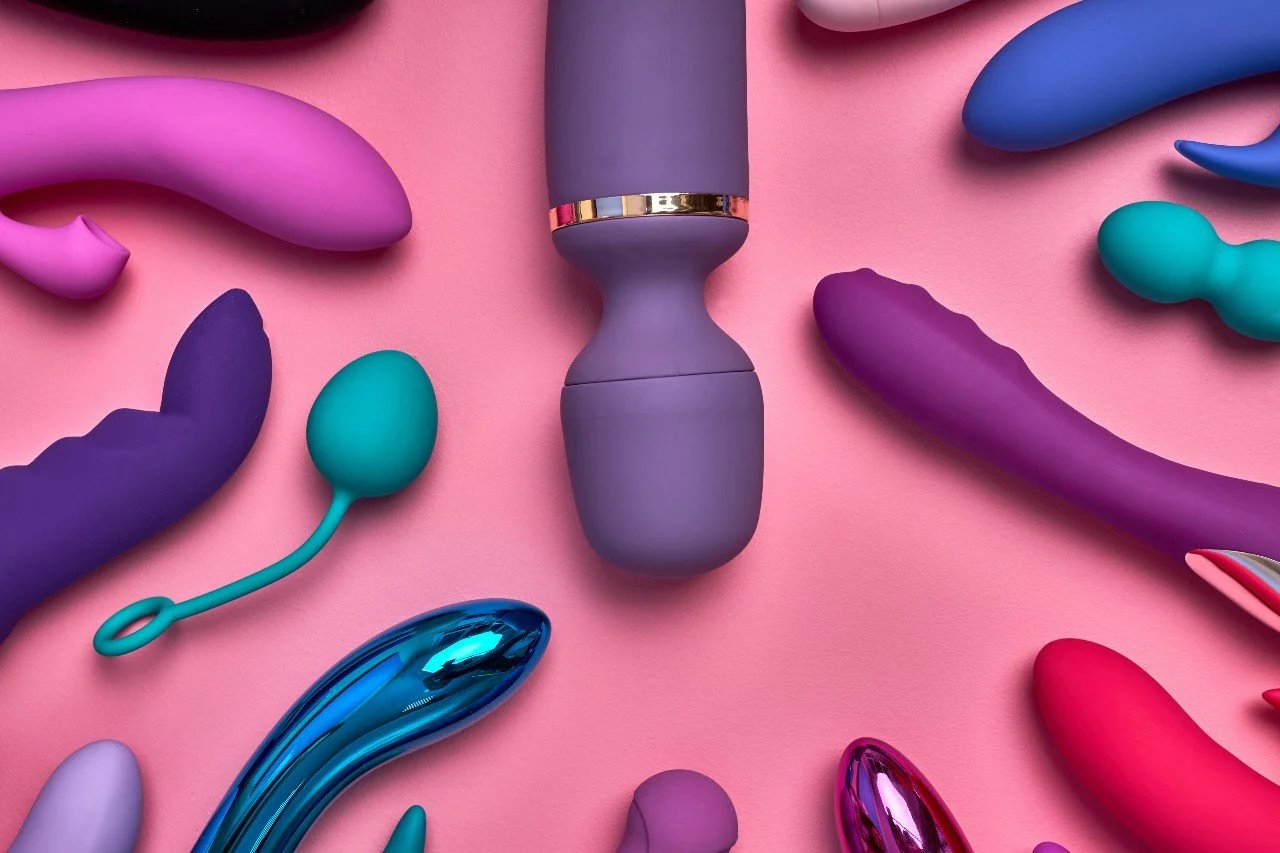
A revolution serving female pleasure
Female sex toys have come a long way, evolving from taboo objects to sophisticated and empowering accessories incorporating modern technologies. Their growing popularity reflects not only a shift in attitudes, but also the essential role that technology plays in enhancing women’s wellbeing and sexuality.
In this article, we propose to dive into the fascinating world of female sex toys, exploring their evolution, current technological innovations, the benefits they bring, as well as the challenges to be met for the future.
A historical overview of female sex toys
At the origins
The first sex toys date back to antiquity, where handcrafted objects were designed from stone, wood or leather. These rudimentary products had basic functions, far from the highly personalised devices we know today.
The 19th century was marked by the invention of the first mechanical vibrators, initially used for medical purposes before finding their place in household intimacy.
The boom of recent decades
With the advent of silicone in the 1970s and the sexual liberation of the 1980s, sex toys became safer and more ergonomic. However, the arrival of new technologies in the 21st century paved the way for a real revolution: connected objects with futuristic designs, adapted to the most varied desires.
Current technological innovations in female sex toys
Intelligent and connected devices
The integration of connected technology into sex toys has transformed the way women interact with these products. Vibrators and stimulators connected to mobile applications now allow precise control of intensity, rhythms and programmes. Furthermore, they offer customisation options according to individual preferences and even facilitate remote interactions for couples living apart.
Example:
Certain connected sex toys, such as the popular Lovense Lush, can be controlled in real time via an application, even when partners are thousands of kilometres apart.
Materials and design for comfort and safety
Manufacturers now favour hypoallergenic materials, such as medical silicone. At the same time, anatomical designs inspired by in-depth studies of the female body ensure better ergonomics. These developments promote optimal comfort whilst guaranteeing safe use.
Virtual reality and immersive technologies
The integration of virtual reality (VR) and technologies such as haptics opens new perspectives in the field of sex toys. For example, certain products allow synchronisation of sensations experienced with VR content, thus creating a unique multisensory experience.
Example:
The innovative product “Kiiroo Onyx+” offers synchronisation between connected sex toys and interactive video content, for complete immersion in the pleasure experience.
The benefits of technological advances in female sex toys
Encouraging sexual health and individual exploration
Modern sex toys contribute to breaking the stigmas surrounding female pleasure, encouraging women to explore their sexuality in a healthy way. They can also play a crucial role in sexual health by stimulating blood circulation and helping to strengthen pelvic floor muscles.
Strengthening couple intimacy
Female sex toys are no longer exclusively intended for individual use. Connected and interactive devices foster a new dynamic between partners, offering shared sensory experiences and increasing complicity within couples.
Empowerment and personal pleasure
Investing in modern sex toys also means claiming one’s right to pleasure and autonomy. These objects embody progress towards an uninhibited, contemporary and assumed sexuality.
Challenges and future horizons
Societal and ethical considerations
Despite progress, female sex toys remain a controversial subject in certain parts of the world. Cultural or educational taboos often hinder their adoption. Furthermore, the collection of personal data by connected sex toys raises concerns about privacy and online security.
What innovations are we heading towards?
Future sex toys could rely more heavily on artificial intelligence, offering real-time adaptation based on bodily reactions. The expansion of immersive technologies, such as complete integration with the metaverse, could also transform individual and shared pleasure experiences.
Example of a possible future:
Imagine a sex toy capable of detecting your relaxation level, adjusting its vibrations accordingly and storing your preferences for even finer personalisation.
Pleasure entrepreneurs: it’s your turn to play!
Female sex toys equipped with the latest technological innovations show how much technology can play a transformative role in our intimacy and wellbeing. They allow modern women and couples to explore their sexuality with curiosity and confidence.
Curious to know more? Take the time to explore this fascinating and modernised market, where each product tells a story of innovation and empowerment.
And why not enrich your knowledge and exchange with communities sharing your interests? Openness to dialogue is the key to progress.
Don’t wait any longer, discover pleasure at the cutting edge of technology and let your discoveries redefine your intimate experiences.
FAQ
What is Pleasure Air technology?
Pleasure Air (popularised by Womanizer in 2014) uses pressure and pulsed air waves to stimulate the clitoris without direct contact. This approach produces different sensations from classic vibrations, often described as more intense and less tiring for nerve endings.
Are connected sex toys really worth their price?
For occasional use, a model without an app is sufficient. Connectivity becomes interesting for three specific uses: remote control for separated couples, advanced pattern customisation, or synchronisation with content (music, video). Otherwise, it''s a nice-to-have.
Medical silicone: why is it important?
Medical silicone is non-porous, hypoallergenic and can be cleaned at high temperatures. In contrast, porous materials (PVC, low-grade TPE) trap bacteria and degrade when in contact with certain lubricants. It's a safety criterion that is non-negotiable.
Sources
Last updated : 4 décembre 2024

Technological innovations in female sex toys
Female sex toys: How technology is transforming our pleasure
Lire l'article →
Connected Sex Toys: Innovations Redefining Intimate Pleasure
Discover the latest innovations in connected sex toys: AI, biometrics, 5G. Explore this revolution in intimate pleasure and security challenges.
Lire l'article →
The 6 Sextoy Trends to Follow in 2026
AI, organic materials, inclusivity, 3D stimulation: what's changing in the world of pleasure this year.
Lire l'article →