


Why Are We More Faithful in Autumn? Deciphering the Mating Season
Does autumn rhyme with faithfulness? Discover how hormones and psychology drive us towards romantic commitment and couple stability.

Autumn is here, and with it, that feeling of wanting to snuggle up, share a blanket, and a warm drink with someone. But beyond the cozy atmosphere, does this season really make us more faithful in a relationship? Frankly, the question isn’t that far-fetched. From the famous “cuffing season” to the mysteries of our hormones, autumn seems to play a role in our quest for commitment and romantic stability. Let’s explore together what lies behind this tendency to get closer as the days shorten.
Autumn, a season conducive to commitment and faithfulness in relationships? The “cuffing season” phenomenon
“Cuffing season” is an Anglo-Saxon term describing the period when singles actively seek a stable relationship to get through the cold winter months. This phenomenon, which gains momentum every autumn, is not just a social media joke; it reflects a real behavioral trend, pushing people to find a partner to “cuff” with to avoid loneliness.
This need to “settle down” or strengthen existing bonds is part of a social and cultural context. Invitations to outdoor parties become rarer, summer vacations are long gone, and the end-of-year holidays are approaching, often synonymous with shared moments with family or close friends. The search for a stable partner, or the consolidation of an existing relationship, then becomes a priority for many, seeking to create a cocoon of security and intimacy before winter arrives.
When hormones get involved: the influence of biology on couple faithfulness
Our bodies do not escape the rhythms of the seasons, and our hormones play a significant role in our romantic behavior, including couple faithfulness.
Decreased testosterone and the search for stability
Research suggests that testosterone levels, in both men and women, can vary seasonally. In autumn, a slight decrease in this hormone is sometimes observed (Huffington Post France). This decrease is associated with a lower propensity for risk-taking and an increased search for calmer, more stable, and more committed relationships. Far from being a guarantee of absolute faithfulness, it is a factor that can incline towards more settled relational behaviors.
Role of melatonin and serotonin
With the decrease in natural light in autumn, our body produces more melatonin, the sleep hormone. This can affect our mood and energy, potentially making us more homebodies and seeking comfort. At the same time, serotonin, which regulates mood and well-being, can also be impacted by the lack of sunlight. This quest for well-being can naturally push us towards proximity and human warmth, thus strengthening emotional bonds and couple faithfulness (PubMed).
The autumn cocoon: psychological and environmental factors that promote faithfulness
Beyond biology, autumn creates a psychological and social environment that promotes closeness and intimacy, influencing our faithfulness in a relationship.
The need for warmth and security
Decreasing temperatures and shorter days encourage us to spend more time indoors. This change in environment fosters a psychological need to create a “cocoon,” a warm and secure space. For many, this translates into a desire to share this cocoon with a partner, strengthening intimacy, complicity, and, by extension, couple faithfulness. It’s the ideal time to gather around a good cup of tea, share a good movie, or indulge in massage oil sessions for couples.
Fewer outings, more time together
Summer is often synonymous with outings, festivals, fleeting encounters, and a bustling social life. In autumn, the pace slows down. The decrease in outdoor activities and opportunities for new encounters favors a refocusing on the existing relationship. This rediscovered time allows partners to dedicate more to each other, deepen their emotional connection, and strengthen their commitment. It’s the perfect opportunity to explore new facets of your relationship, whether through dialogue or shared activities like naughty games or intimate moments with sex toys for couples.
Impact of autumn nostalgia and melancholy
Autumn is also a season that can evoke a certain nostalgia or melancholy, with the memory of summer fading away. This particular atmosphere can paradoxically strengthen the desire for deep emotional connection. Seeking comfort and stability with one’s partner becomes a natural response to this sweet melancholy, thus solidifying seasonal romantic relationships.
Beyond clichés: Nuancing autumn faithfulness
It is important not to present autumn faithfulness as an inevitability or an obligation. While hormonal and psychological factors can influence our behaviors, faithfulness remains above all a conscious choice, based on communication, respect, and mutual consent within the couple.
Autumn undoubtedly offers an opportunity to strengthen the relationship, deepen intimacy, and refocus on the bonds that unite us. It is a period conducive to commitment, but it is not a guarantee of absolute faithfulness. Each couple is unique, and relational dynamics depend much more on daily efforts and the partners’ willingness than on seasonal variations alone. It is an invitation to take care of your relationship, to talk to each other, and to express your needs.
To go further
To keep the flame alive and explore new dimensions of your intimacy in autumn, why not discover the benefits of masturbation for your personal well-being? Our guide on masturbation and its health benefits offers avenues for a serene and enriching practice.
FAQ
Why do we want to be in a relationship more in autumn?
Decreased light and hormonal changes (testosterone, serotonin) increase the need for comfort and stability, fostering the search for committed relationships.
Are people more faithful in autumn than in summer?
Studies suggest a tendency towards greater relational stability and decreased infidelity in autumn, influenced by hormonal and psychological factors.
What is cuffing season and why does it return every autumn?
Cuffing season describes the tendency to seek a stable partner or solidify a relationship before winter, motivated by the need for warmth and security as days shorten.
How does autumn influence our libido and sex life?
Autumn can modulate libido through hormonal variations and an increased need for closeness, often perceived as a time to deepen couple intimacy rather than multiply encounters.
Why does cold weather make us want to get closer to our partner?
Cold weather and decreased sunlight intensify the psychological need for comfort, security, and human warmth, which naturally leads to physical and emotional closeness with one's partner.
Sources
Last updated : 17 septembre 2026

Why Are We More Faithful in Autumn? Deciphering the Mating Season
Does autumn rhyme with faithfulness? Discover how hormones and psychology drive us towards romantic commitment and couple stability.
Lire l'article →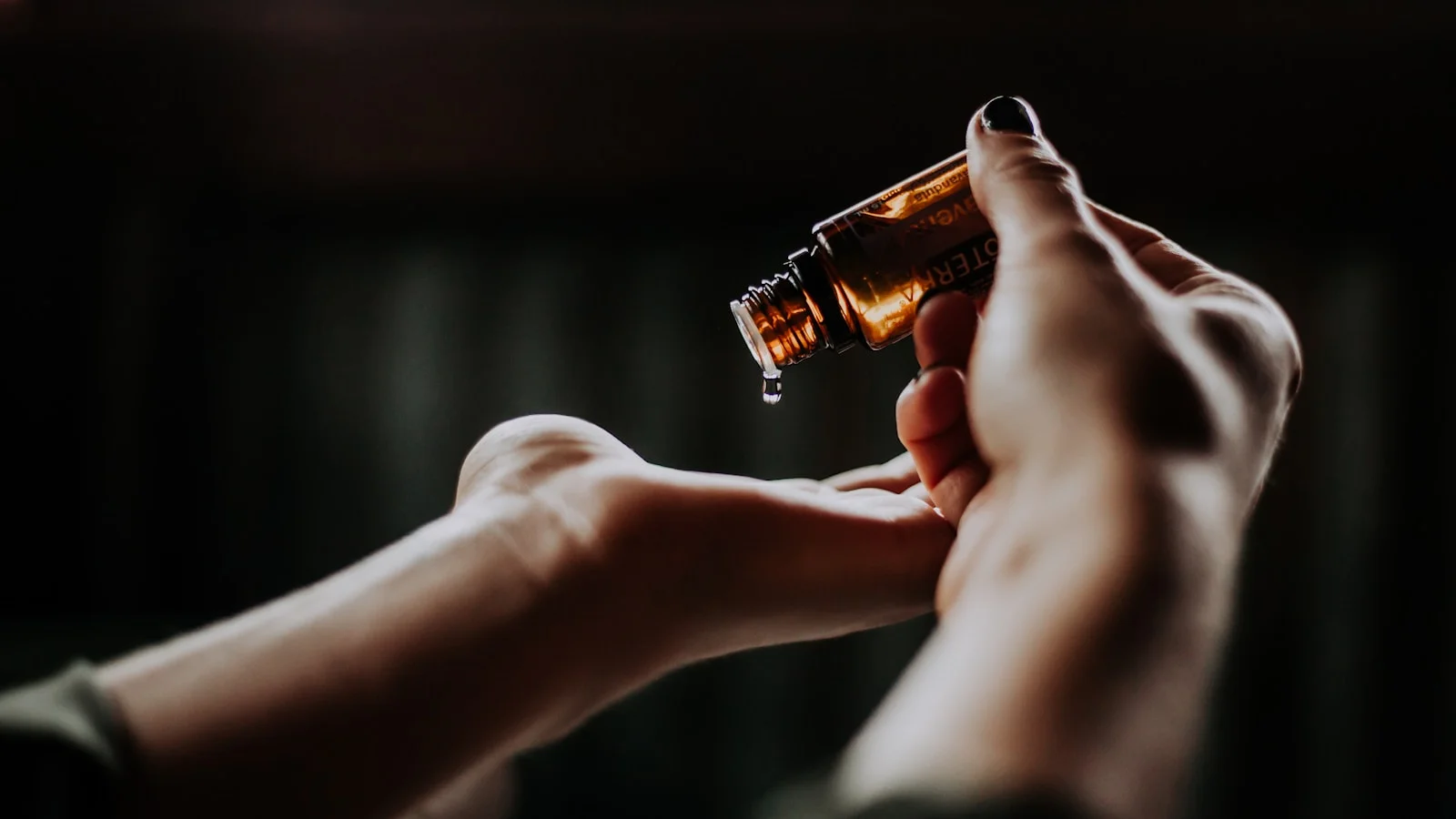
The Benefits of Massage Oil for Couples
Relaxation, connection, foreplay: why incorporating massage oil into your intimate moments together changes everything, and how to choose it well in 2026.
Lire l'article →
Easy Orgasm: The KissKiss Guide for the Lazy and Tired
Feeling tired, stressed, or mentally drained? Discover simple techniques and tips to achieve orgasm effortlessly. The KissKiss guide for the lazy.
Lire l'article →